
Extraction
Removes accessible water faster than evaporation alone.
24/7 Emergency Response · San Jose & Bay Area
Fast response. Professional restoration. A drier, safer home.
Call now(408) 385-4892Request serviceSanta Clara based · Local response · Documented drying
01 / WATER LOSS
What this means for your home
Stop the water source when it is safe to do so. Avoid entering areas with electrical hazards, then call for an assessment of the affected rooms and materials.Call UNITED (408) 385-4892Conceptual restoration visualization
Explore our servicesWhat we handle
From the first sign of water to verified drying, one team helps you move forward.
A measured response to water in walls, floors, ceilings, and building cavities across San Jose and the Bay Area.
Practical cleanup for interior flooding, appliance failures, and water spreading across finished rooms.
Coordinated mitigation, drying, documentation, and next-step planning after an indoor flood.
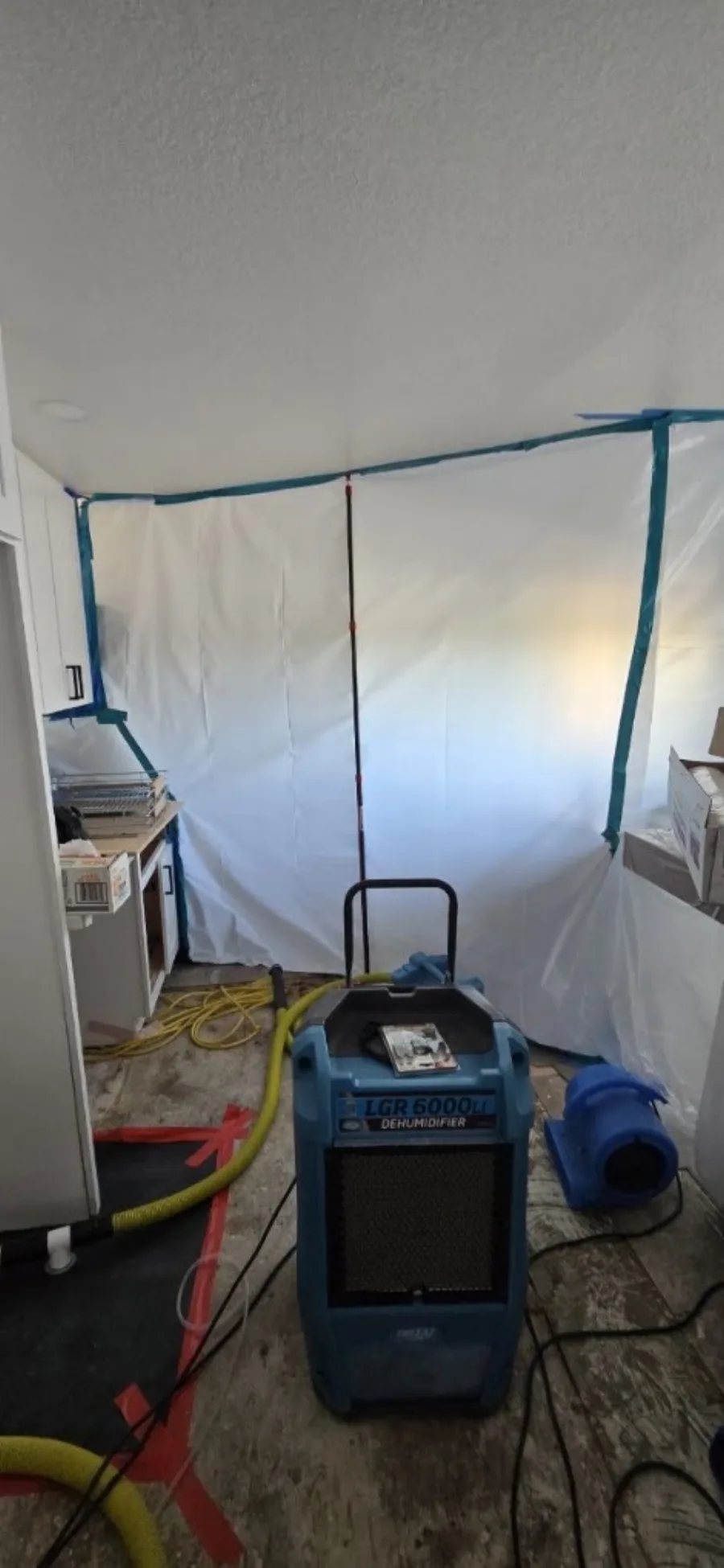
Controlled air movement, dehumidification, and moisture monitoring for wet building materials.
Professional removal of accessible standing water before structural drying begins.
A safety-first response for sewage backups and contaminated water affecting a property.
Defined-scope remediation when microbial growth is present or supported by assessment—not a default claim after every leak.
Inspection, mitigation, and drying after roof, bathroom, laundry, appliance, or plumbing leaks.
Professional drying matters
Water can pass beneath flooring, wick into drywall, and settle in cavities. A professional drying plan manages both the affected materials and the surrounding air.
Identify the source, water path, and affected materials.
Map visible and hidden areas before setting the scope.
Remove accessible standing water efficiently.
Position air movement and dehumidification for the assembly.
Track material and environmental conditions as they change.
Use readings to support the drying conclusion and next steps.
The science of drying
Removes accessible water faster than evaporation alone.
Supports controlled evaporation at wet surfaces.
Captures moisture released into the air.
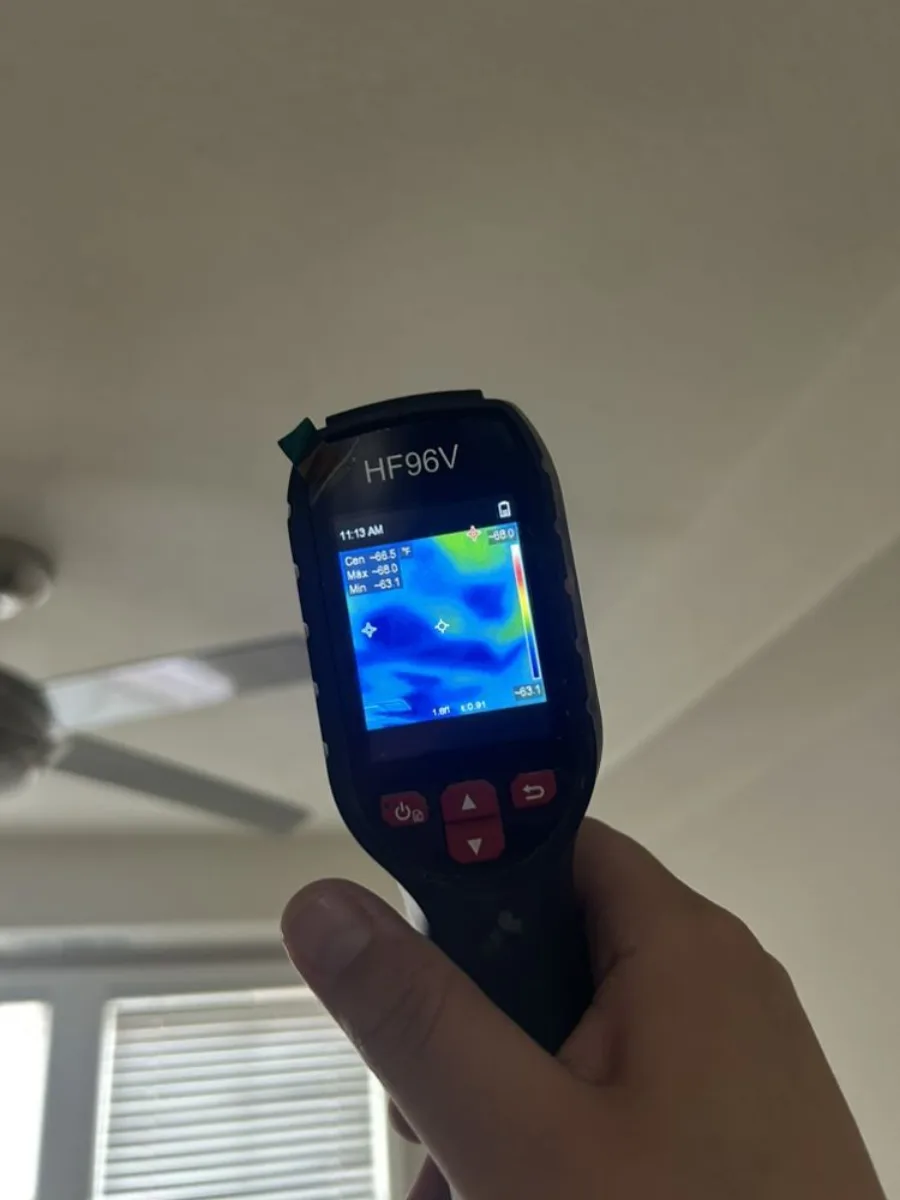
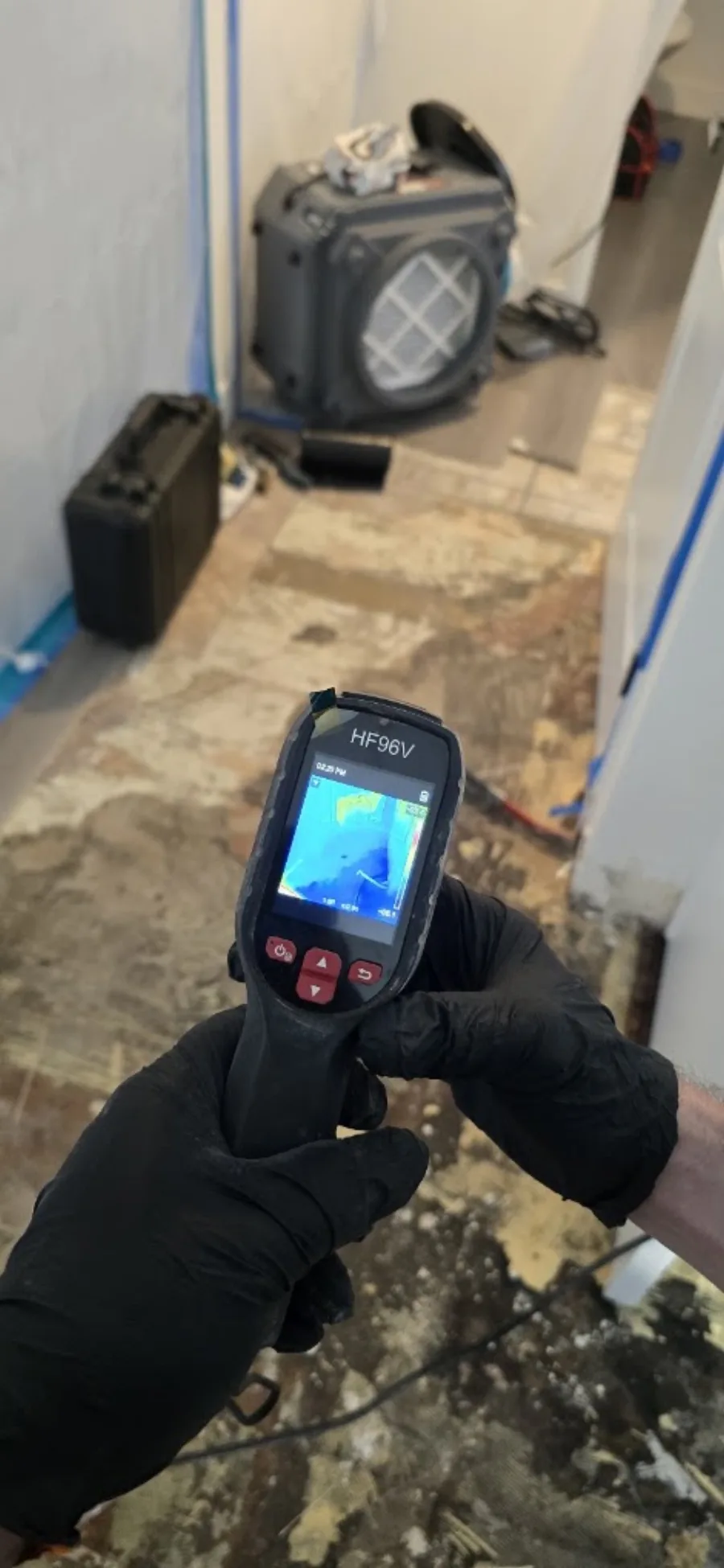
Help locate affected materials and document change.
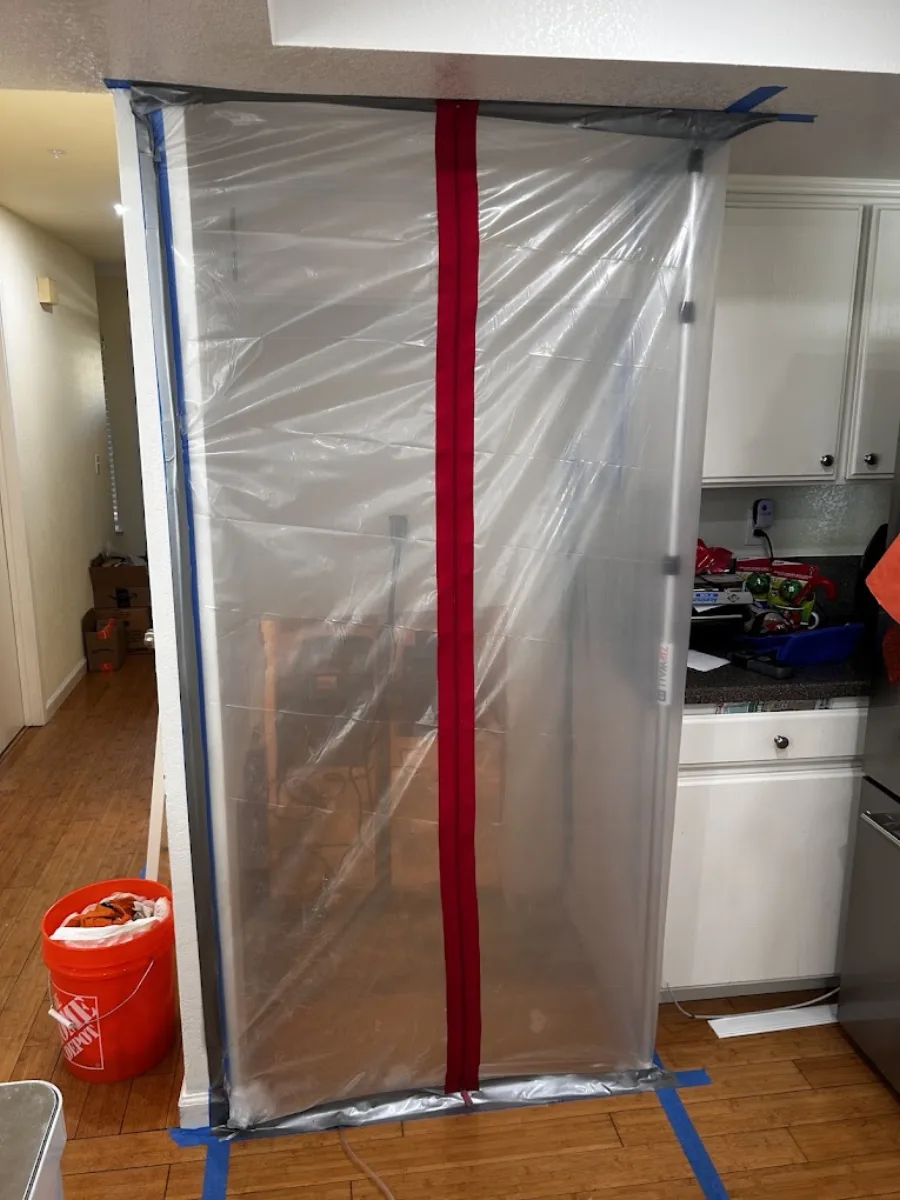
Can support appropriate containment and air-control plans.
Inside the work
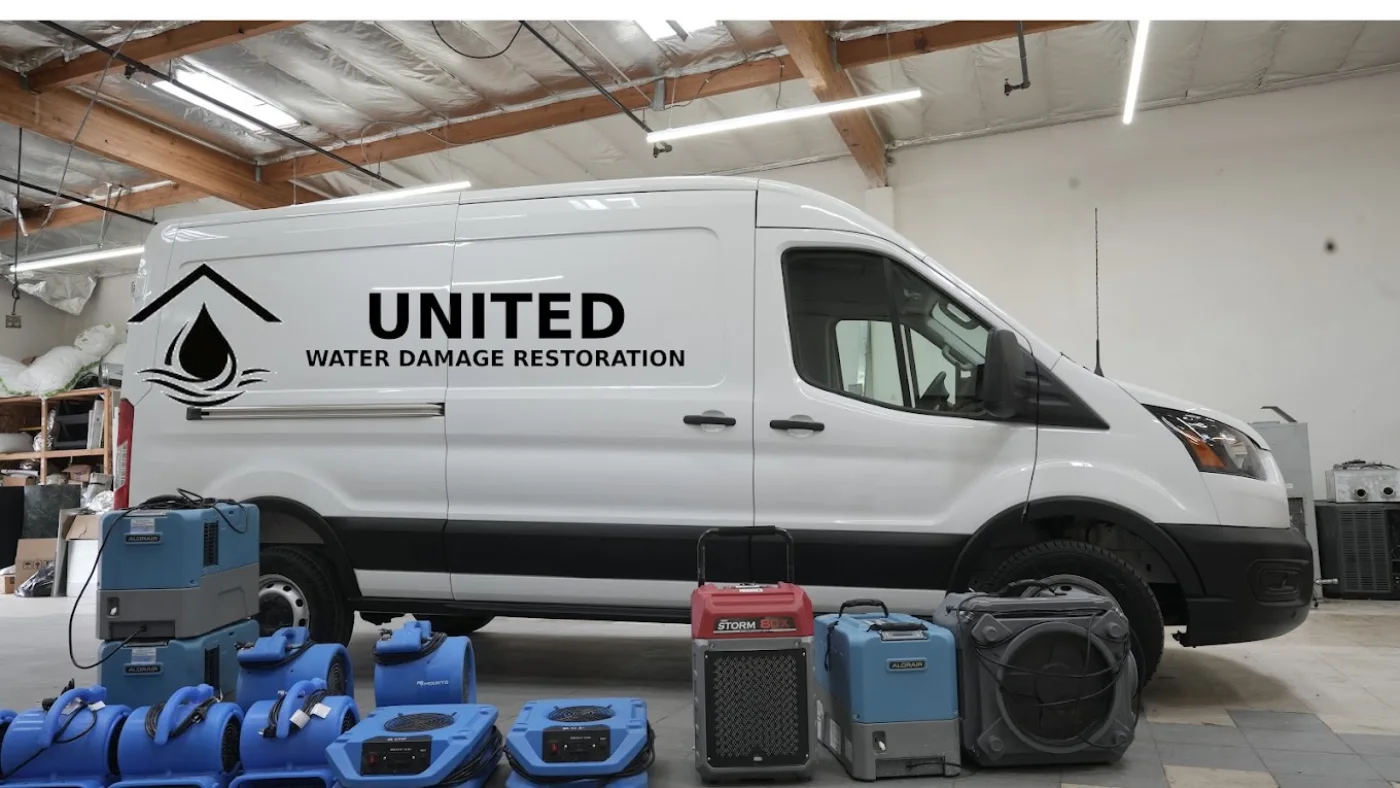
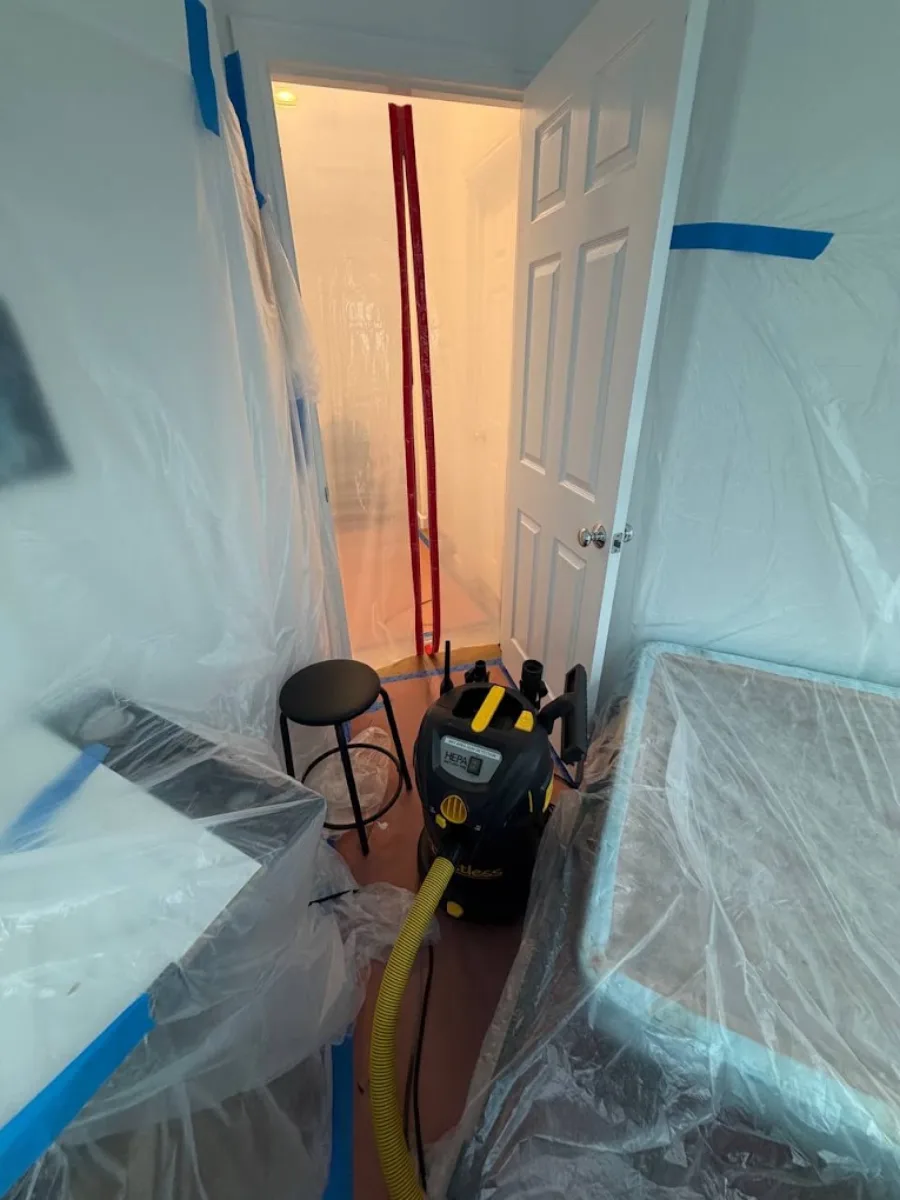
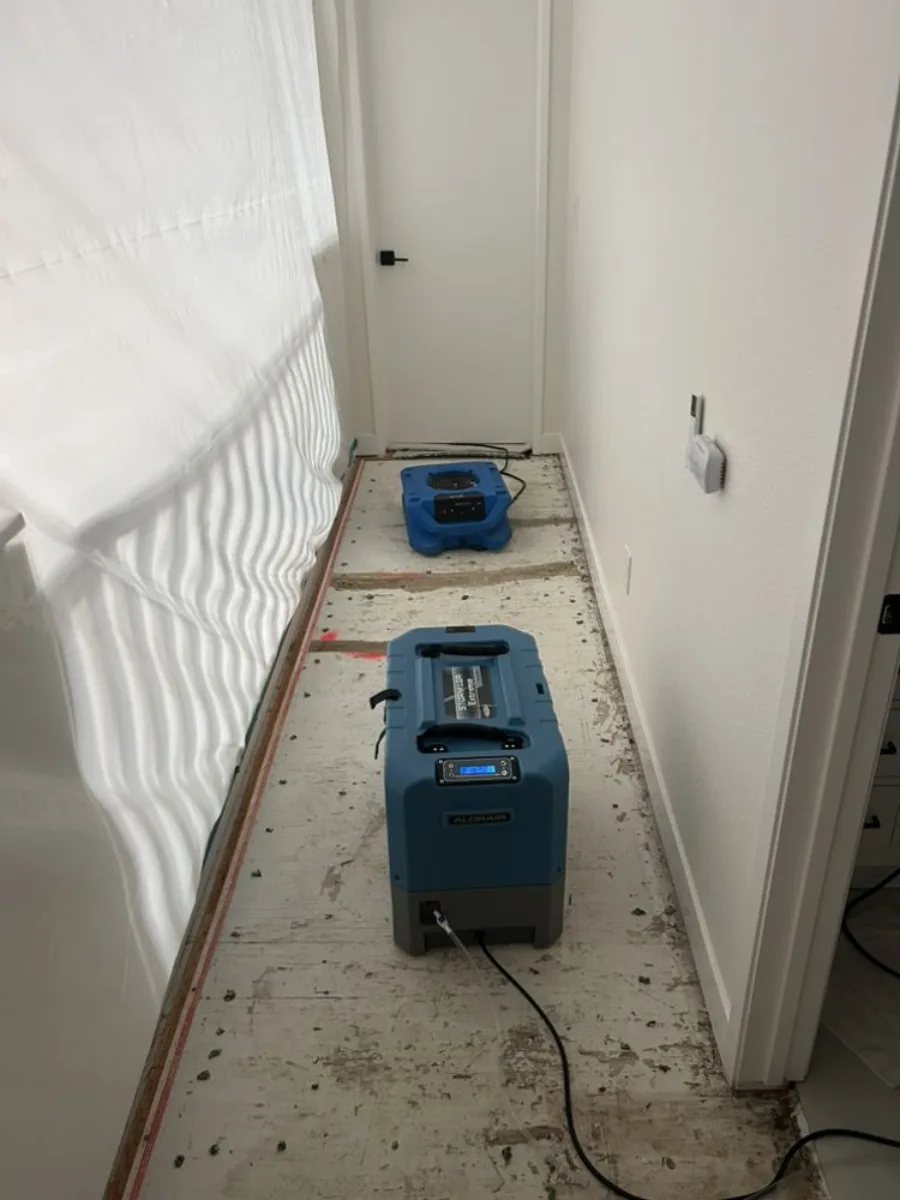
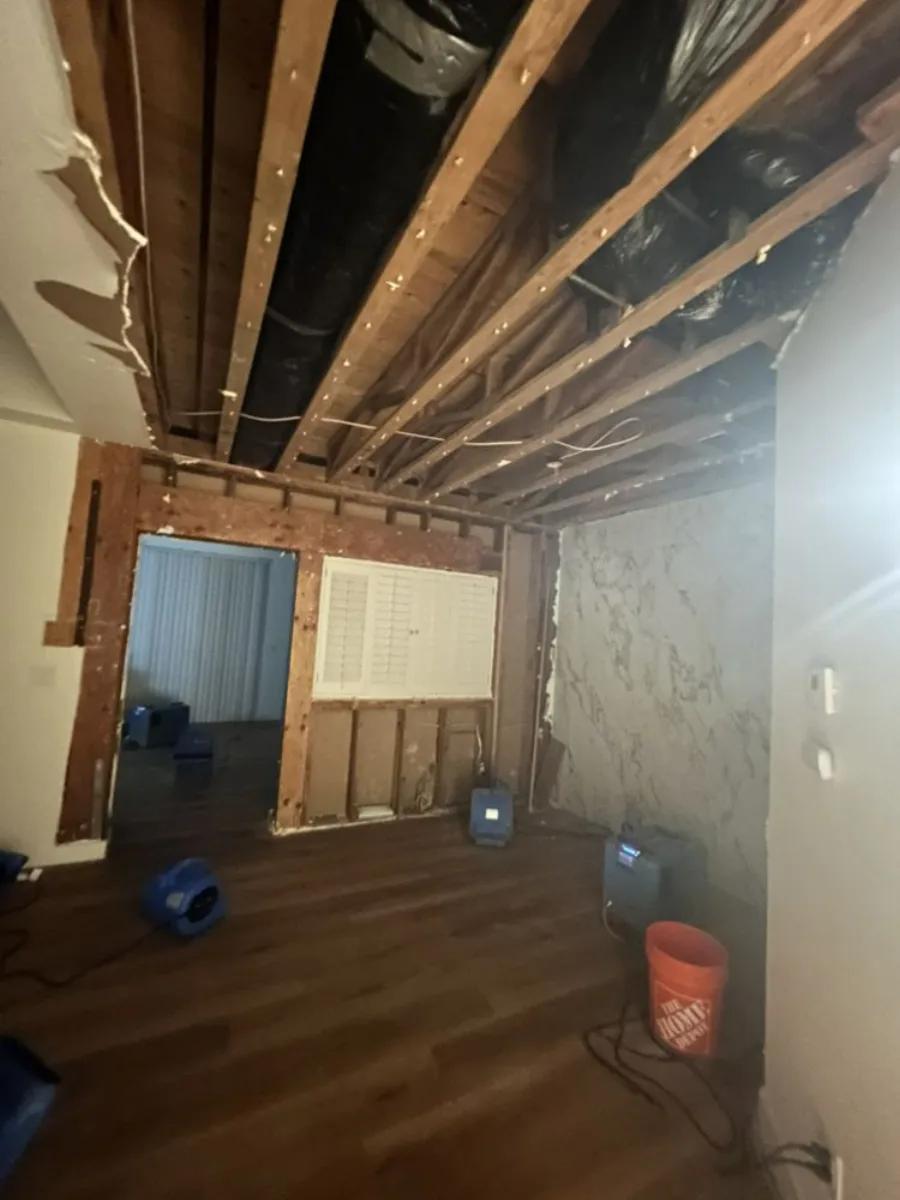
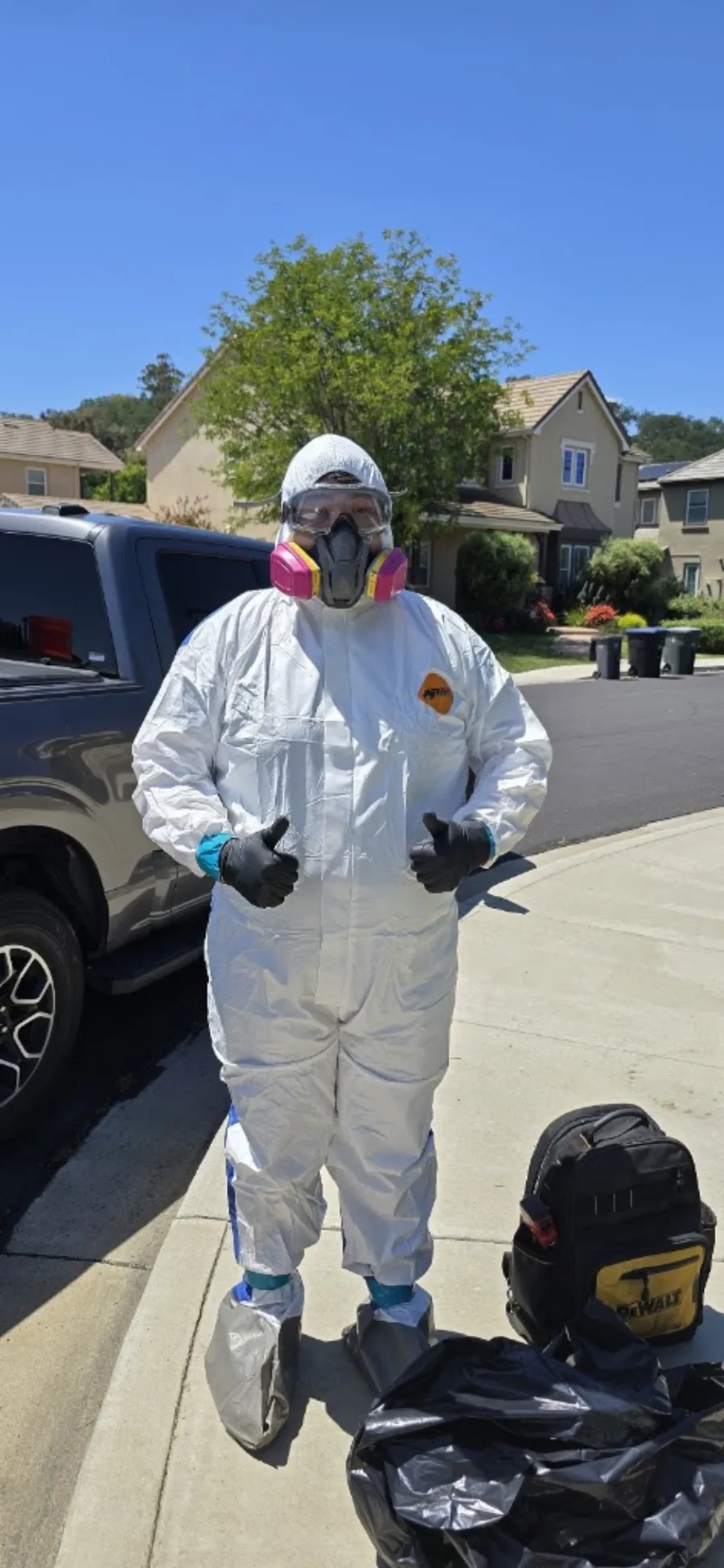
Protection, inspection, moisture control, and structural drying documented by the UNITED team.
Why UNITED
Local focusBased in Santa Clara, with San Jose and the surrounding Bay Area at the center of the service footprint.
Measured decisionsInspection and moisture information shape the response instead of assumptions.
Clear next stepsYou should understand what is affected, what is being done, and what comes next.
Service area
San Jose and Santa Clara are the primary service area, with coverage extending across many nearby Bay Area communities.
Questions, answered plainly
If it is safe, stop the water source and avoid electrical hazards. Move people away from affected areas, then call so the visible and hidden moisture can be assessed.
Water can move beneath flooring and into wall or ceiling assemblies. Moisture testing helps define the affected materials and provides a basis for monitoring drying progress.
No. Persistent moisture can create conditions for microbial growth, but mold should not be assumed after every leak. The practical priority is finding and controlling remaining moisture.
The time depends on the water source, materials, affected area, access, and environmental conditions. Drying should be guided by material readings rather than a generic fixed number of days.
Follow the technician’s placement and operating guidance. Air movers and dehumidifiers work together to control the environment; moving or switching them off can change the drying plan.
Request service
Keep it short. We need enough information to understand the water source, location, and timing.
Prefer to call?(408) 385-4892